
The Future of Baseball Has Arrived: Breaking Down the Top Selections from the First Three Rounds of the 2026 MLB Draft
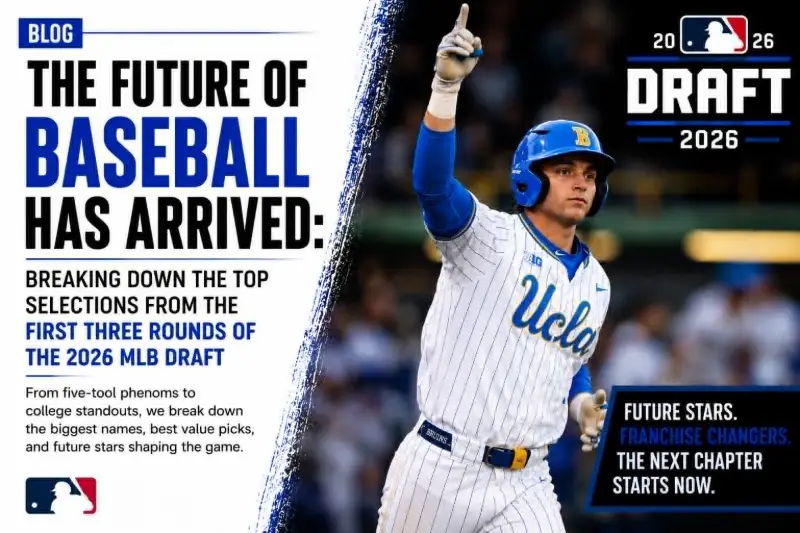
The 2026 MLB Draft brought baseball's next generation of stars to center stage in Philadelphia. While it will take years before we know which organizations truly won the draft, the first three rounds were packed with elite talent, high-upside athletes, polished college performers, and several surprise selections that had scouts talking throughout the weekend.
The draft also reinforced a trend that has become increasingly common across Major League Baseball: organizations are placing a premium on athleticism, defensive versatility, strike-zone discipline, and pitchers capable of generating elite swing-and-miss stuff.
Roch Cholowsky Goes No. 1 Overall
The Chicago White Sox made UCLA shortstop Roch Cholowsky the first overall selection, choosing one of the safest and most complete players available. Widely regarded as one of the best all-around college position players in the country, Cholowsky combines power, exceptional plate discipline, smooth defensive actions, and leadership qualities that project him as a future franchise cornerstone.
His advanced approach at the plate stood out throughout his collegiate career. Rather than simply swinging for power, Cholowsky consistently controlled the strike zone, reaching base at an elite rate while limiting strikeouts. That combination should allow him to move quickly through the White Sox organization.
College Experience Dominated Early
Unlike several recent drafts that leaned heavily toward high school prospects, many organizations prioritized polished college talent during the opening rounds.
Several clubs viewed experienced college players as being closer to contributing at the major league level while still possessing All-Star potential. Players with proven success against elite NCAA competition became especially valuable for organizations hoping to shorten development timelines.
That philosophy was evident throughout the opening three rounds as teams selected hitters with advanced offensive approaches and pitchers who already feature professional-quality arsenals.
High School Stars Still Drew Plenty of Attention
Although college players filled many of the early selections, teams searching for superstar ceilings continued investing heavily in elite prep talent.
Several high school shortstops, outfielders, and hard-throwing pitchers heard their names called early, giving organizations an opportunity to develop premium athletes over the next several seasons.
These players often require more patience, but their upside can be enormous. Many front offices believe that if properly developed, these prospects eventually become franchise-changing players.
Pitching Was Once Again at a Premium
As expected, organizations aggressively targeted pitchers capable of generating strikeouts.
Front offices continue searching for arms featuring:
- Upper-90s fastballs
- High-spin breaking balls
- Advanced changeups
- Strong command and athletic delivery mechanics
While velocity remains valuable, several organizations also prioritized pitchers with repeatable mechanics and above-average command rather than simply chasing radar-gun readings.
Position Players with Defensive Flexibility Increased Their Value
One noticeable trend throughout the first three rounds was the value placed on defensive versatility.
Shortstops remain especially coveted because many can eventually move to second base, third base, or center field if necessary. Teams increasingly draft premium athletes first, trusting their development staffs to determine the best defensive home later.
That flexibility gives organizations more roster options as prospects advance through the minor leagues.
Several Organizations Stood Out
While every draft class needs years to evaluate, several clubs received immediate praise from scouts and analysts for maximizing value during the first three rounds.
Organizations focused on acquiring:
- Advanced college bats
- Athletic middle infielders
- Power arms
- High-upside prep prospects
- Players with exceptional baseball instincts
Rather than drafting strictly for positional need, successful organizations continued selecting the best talent available.
Why the First Three Rounds Matter
Historically, the majority of future All-Stars and everyday major leaguers come from the opening rounds of the MLB Draft.
These selections often become:
- Future franchise cornerstones
- Trade assets
- Everyday starters
- Frontline starting pitchers
- Long-term organizational building blocks
Even players who never reach superstar status frequently become valuable contributors capable of helping teams compete for championships.
Looking Ahead
The 2026 MLB Draft showcased the incredible depth of amateur baseball.
From polished college stars ready to climb the minor leagues quickly to toolsy high school phenoms with tremendous long-term upside, organizations invested heavily in players they believe can shape the next decade of Major League Baseball.
For White Sox fans, all eyes will be on No. 1 overall pick Roch Cholowsky as he begins his professional journey. Around the league, dozens of first-, second-, and third-round selections now begin the long climb toward the majors.
Some will become All-Stars. A few may become MVP candidates. Others will develop into reliable everyday players or frontline pitchers.
One thing is certain: the first three rounds of the 2026 MLB Draft introduced baseball fans to the sport's next wave of talent, and the race to the major leagues officially begins now.